
About Us
https://v6.51.la/s/INA5mSKyHZBlp7k
Contact Info
-
Email
franky@mineralmy.com -
Phone
(+86)17757458869 -
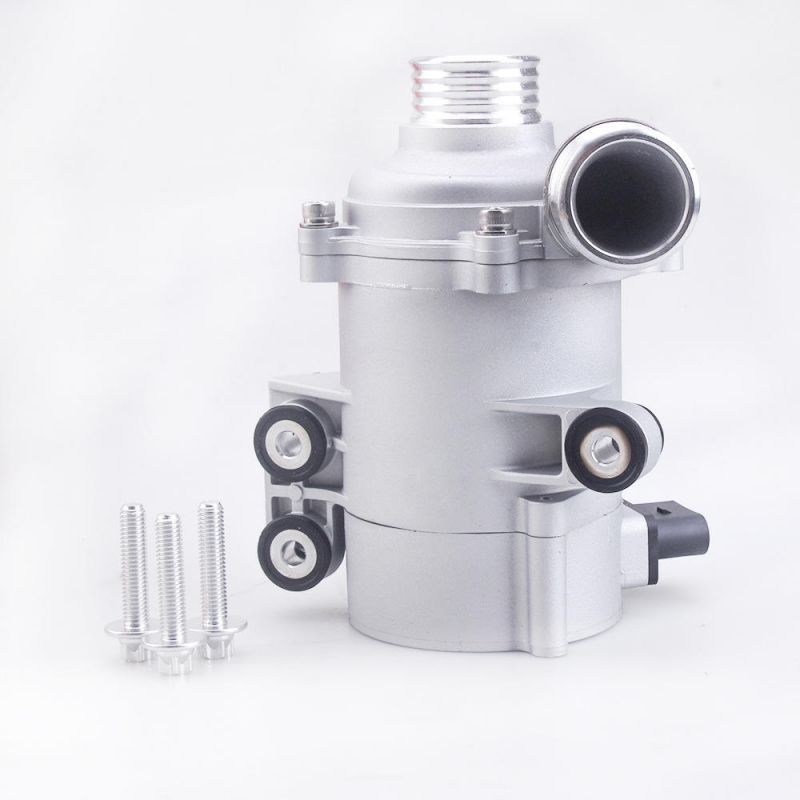
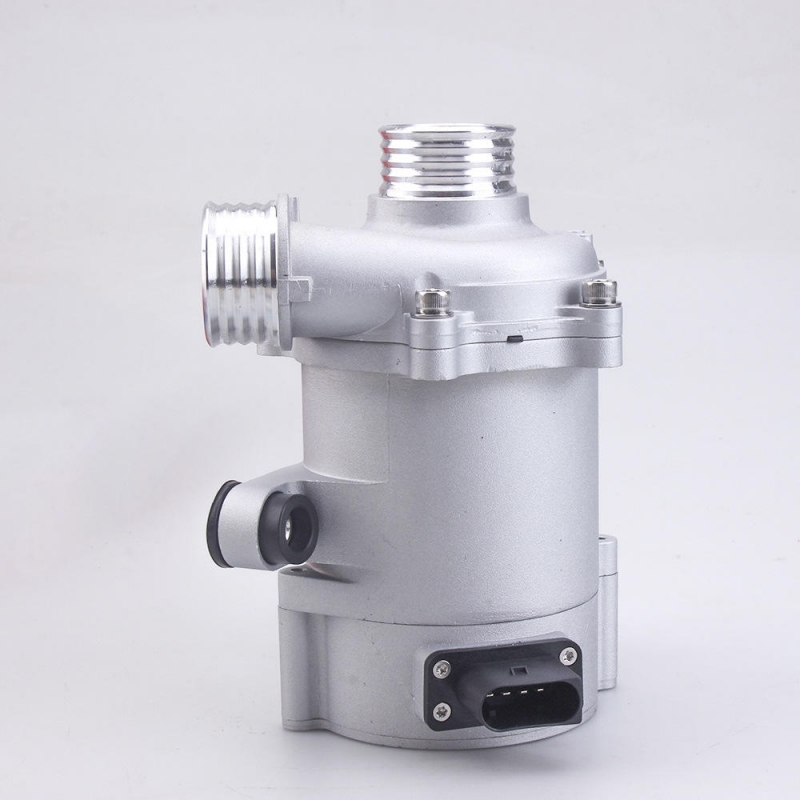
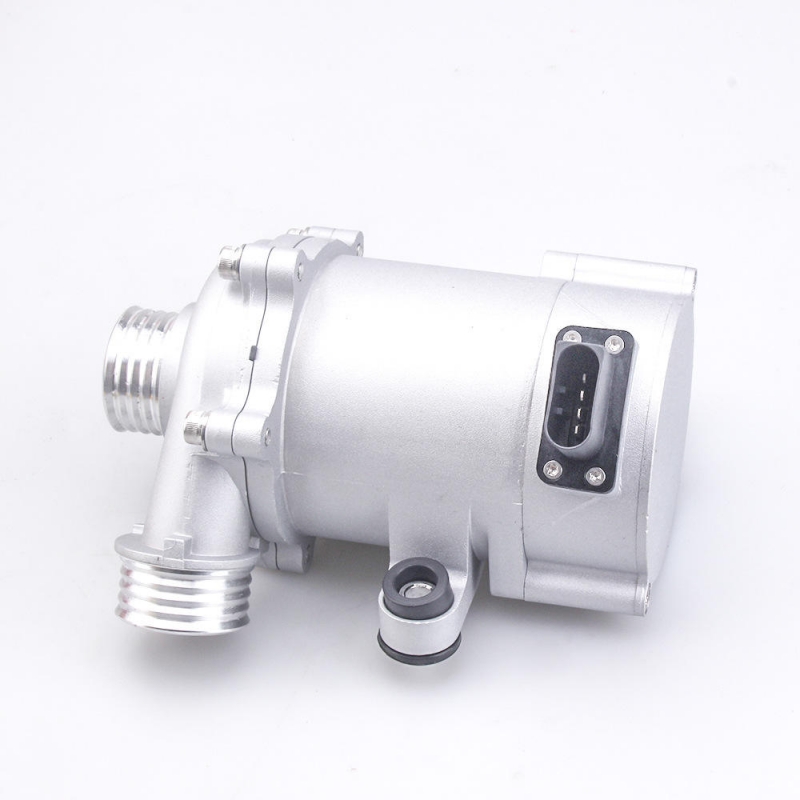
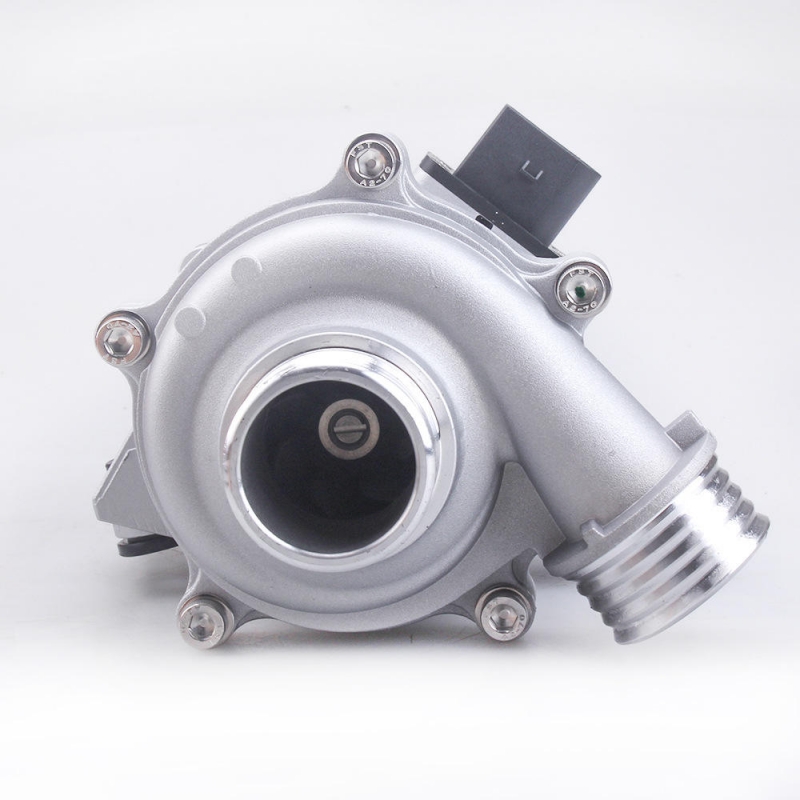
| OE Number | 11517597715 (Superseded by 11515A81BE9) |
| Fitment | BMW 1 Series (F20), 2 Series (F22), 3 Series (F30), 4 Series (F32/F33), 5 Series (F10), X1 (E84), X3 (F25), X4 (F26), Z4 (E89) |
| Applicable Engine | N20 (2.0L Turbocharged Inline-4) |
| Type | Electric Water Pump (Main Cooling) |
| Function | Controls coolant flow for engine temperature regulation, map-controlled cooling, and post-run cooling. |
| Features | OEM standard design, high-efficiency electric motor, durable construction. Note: This OE number is often replaced by the improved version 11515A81BE9. |
This high-performance Electric Water Pump is a direct replacement for BMW OE number 11517597715. Designed specifically for the N20 engine platform, this pump is the heart of the cooling system in many BMW F-series vehicles. It replaces the traditional mechanical belt-driven pump, allowing for precise map-controlled cooling to optimize engine temperature under various driving conditions. Important: This part number (11517597715) is the older version and has been superseded by the improved part number 11515A81BE9 to address longevity concerns. This replacement unit meets strict OEM specifications to ensure reliable cooling performance.
Ensure the engine is cool and the battery is disconnected. Drain the cooling system. Remove the belly panel or necessary components to access the water pump. Disconnect the electrical connector and coolant hoses. Remove the mounting bolts and the old pump. Install the new pump with new seals/O-rings (usually included). Reconnect hoses and electrical plug. Refill the cooling system with the correct BMW antifreeze and bleed the air using the vehicle's diagnostic system or manual bleeding procedure.
LiveChatclose
 Send Email
 Franky Chung
 17757458869
 Franky